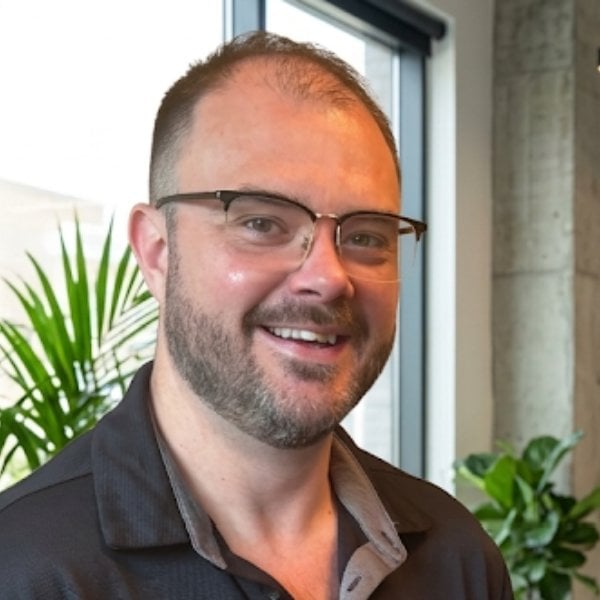
“Self-taught consciousness, AI researcher and small business owner. Ask me about the mind, AI, or why journals wouldn't take my work.”
Nursing assistant, then vocational nursing, then nursing home administration, then ICU admissions. Years of watching people come apart. Same question every time. What part of a person is the person, and when does it stop being there?
So I taught myself the math. Complexity science, information theory, pattern persistence. Seven preprints and a book now. All free to read and free to break. This October I present a poster at The Science of Consciousness 2026 in San Diego, California.
Journals wanted no part of it. One desk rejected my paper without sending it to a single reviewer, then offered to run it in their sister journal for $1,750. The current journal publishing model is a scam. So I built the Institute for Complexity Science and Advanced Computing (ICSAC), which publishes unaffiliated researchers and charges absolutely nothing.
All of it happens in the margins of running a small web design consultancy - 3Rivers WebTech - in Fort Wayne, Indiana, and dodging the eye-rolls of a teenaged daughter.
Book me and I'll go as deep on consciousness and AI as you want, in plain English. I've explained hard things to families standing in hospital hallways and to a kid who wants to know why the moon pulls the ocean. Neither one accepts "it's complicated."


A Fort Wayne web developer and small business owner will present neuroscience research comparing decision-making in animal brains and AI models at the world’s longest-running consciousness conference this October, organized by the University of California San Diego. Nathan M. Thornhill’s abstract, “The Internal Dynamics of Decisions: From rats and primates to AI,” cleared review by […]
Fort Wayne founder Nathan Thornhill launches CiteStamp, a free tool that identifies invented, mismatched and retracted research citations.
Catch AI-invented, mismatched, and retracted references before your reviewer does — free, in your browser, nothing uploaded. Then put your own work on an open citation graph no publisher owns.